



The Environmental Impacts of Solar Energy: Sustainability, Economy and Job Creation

What does energy efficiency mean?
Energy efficiency is the principle of using less energy to perform the same task, resulting in saving resources and reducing environmental impacts. This can be achieved through the implementation of innovative technologies, improved energy management practices and the removal of incentives that lead to energy waste. For example, improving a building’s thermal insulation reduces the need for heating and cooling, maintaining comfort with lower energy consumption.
Research shows that increasing energy efficiency in buildings, industries and transport could reduce global energy demand by up to a third by 2050. In addition to decreasing consumption, energy efficiency contributes significantly to reducing greenhouse gas emissions and increases energy security, by reducing dependence on energy imports.
Benefits of energy efficiency
Cost Savings
Energy efficiency results in significant savings in operating costs. Adopting more efficient technologies may have a high initial cost, but the long-term benefits outweigh these costs. Equipment life cycle assessment allows you to analyze and compare these costs in a comprehensive way.
Environmental Benefits
Reducing energy consumption reduces greenhouse gas emissions, contributing to the mitigation of climate change. Energy efficiency also improves air quality and public health by reducing air pollution.
Boosts the Local Economy
Investments in energy efficiency generate jobs and stimulate the local economy. The demand for efficient technologies and services promotes innovation and the development of new markets.
Improving Institutional Image
Companies that adopt energy efficiency practices demonstrate a commitment to sustainability, which improves their reputation and can attract customers and investors concerned about environmental issues.
Productivity and Comfort
Energy-efficient environments are more comfortable and can increase worker productivity. Better lighting, thermal control and lower noise are some of the benefits.
Preservation of Natural Resources
By using energy more efficiently, the need to extract and consume natural resources is reduced, preserving them for future generations.
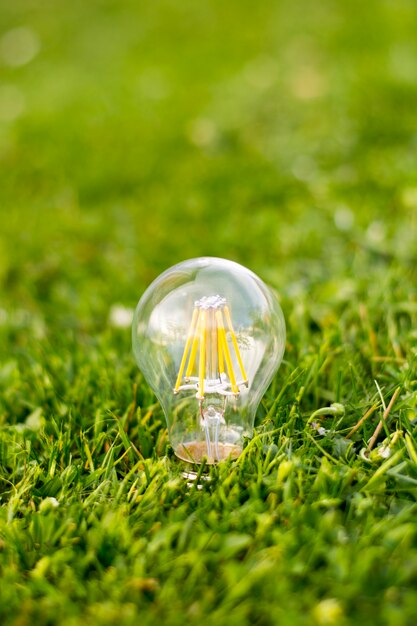

How does energy efficiency help us?
Energy efficiency plays a crucial role in our progress towards a more sustainable future, directly aligning with Sustainable Development Goal 7 (SDG 7) set by the United Nations. This objective aims to ensure universal access to affordable, reliable, sustainable and modern energy. By improving energy efficiency, we reduce the consumption of natural resources and reduce greenhouse gas emissions, contributing to the mitigation of climate change.
Furthermore, energy efficiency promotes significant financial savings for both consumers and companies, encouraging a more conscious and responsible use of energy. This effort also drives technological innovation and green job creation, strengthening local economies and increasing the resilience of communities around the world. In short, energy efficiency is a vital tool for achieving sustainable development goals and creating a fairer and more prosperous world for all.
Lorem ipsum dolor sit amet, consectetur adipiscing elit. Curabitur dictum a nulla a aliquet. Donec cursus, felis in semper congue, nibh tellus pellentesque purus, a gravida dolor lectus ac urna.
— Olive Green, Director
The energy efficiency label: PROCEL Seal
The PROCEL Seal is a Brazilian certification created by the National Electric Energy Conservation Program (PROCEL), with the aim of identifying and promoting products and equipment that present high levels of energy efficiency. This seal works as a reference for consumers, helping them to make informed choices that contribute to reducing energy consumption and, consequently, electricity expenses.
To receive the PROCEL Seal, a product must pass rigorous performance and efficiency tests carried out by accredited laboratories. Items that meet the established criteria receive the seal, indicating that they are energy efficient and environmentally responsible. By opting for products with the PROCEL Seal, consumers not only save energy, but also contribute to reducing electricity demand and reducing polluting gas emissions, aligning
The PROCEL Seal has a classification ranging from A to G, with each letter representing a level of energy efficiency. Here is the meaning of each letter on the PROCEL seal:
- Products classified with the letter “A” are the most efficient in terms of energy consumption. They represent the best choice for energy savings and reduced operating costs.
- Products with the letter “B” are also efficient, although slightly less than those classified as “A”. They still offer good energy savings and are a solid choice.
- Products with the letter “C” have moderate energy efficiency. They consume more energy compared to classes “A” and “B”, but can still be considered reasonable in terms of consumption.
- Products classified with the letter “D” are less efficient and consume more energy than those in higher classes. They can result in higher energy costs.
- Products with the letter “E” have low energy efficiency. They are less recommended as they consume significantly more energy and are less economical in the long run.
- Products with the letter “F” have very low energy efficiency. They are not recommended due to high energy consumption and high operating costs.
- Products classified with the letter “G” are the least efficient of all. They consume the most energy and are the worst choice in terms of economy and sustainability.
This classification helps consumers quickly identify the energy efficiency of a product, promoting more conscious and economical choices.

How to apply Energy Efficiency
Make the most of natural lighting:
Improve the thermal insulation of buildings, including walls, roofs and windows, to maintain stable internal temperatures and reduce demand for heating and cooling.
Minimize Temperature Losses:
Improve the thermal insulation of buildings, including walls, roofs and windows, to maintain stable internal temperatures and reduce demand for heating and cooling.
Using Equipment with Procel A Seal:
Choose certified products with the “A” rating from the Procel Seal, which are the most efficient in terms of energy consumption, providing significant savings on your energy bill.
Employ High-Efficiency Electric Motors:
In industrial processes, use high-performance electric motors, which consume less energy to perform the same amount of work, increasing operational efficiency.
Using Air Curtains in Air Conditioned Environments:
Install air curtains on doors and entrances of air-conditioned environments to reduce the loss of air conditioning, maintaining the internal temperature and saving energy.
Equipment Modernization:
Replace old, inefficient equipment with more modern, energy-efficient models that consume less energy and perform better.
To receive the PROCEL Seal, a product must pass rigorous performance and efficiency tests carried out by accredited laboratories. Items that meet the established criteria receive the seal, indicating that they are energy efficient and environmentally responsible. By opting for products with the PROCEL Seal, consumers not only save energy, but also contribute to reducing electricity demand and reducing polluting gas emissions, aligning.
The energy efficiency label: PROCEL Seal
The PROCEL Seal is a Brazilian certification created by the National Electric Energy Conservation Program (PROCEL), with the aim of identifying and promoting products and equipment that present high levels of energy efficiency. This seal works as a reference for consumers, helping them to make informed choices that contribute to reducing energy consumption and, consequently, electricity expenses.
The PROCEL Seal has a classification ranging from A to G, with each letter representing a level of energy efficiency. Here is the meaning of each letter on the PROCEL seal:
- The PROCEL Seal has a classification ranging from A to G, with each letter representing a level of energy efficiency. Here is the meaning of each letter on the PROCEL seal:
- The PROCEL Seal has a classification ranging from A to G, with each letter representing a level of energy efficiency. Here is the meaning of each letter on the PROCEL seal:
- The PROCEL Seal has a classification ranging from A to G, with each letter representing a level of energy efficiency. Here is the meaning of each letter on the PROCEL seal:
This classification helps consumers quickly identify the energy efficiency of a product, promoting more conscious and economical choices.
The most Recent Insights
The Environmental Impacts of Solar Energy: Sustainability, Economy and Job Creation 1...

The Environmental Impacts of Solar Energy: Sustainability, Economy and Job Creation 1 Copy
The Environmental Impacts of Solar Energy: Sustainability, Economy and Job Creation Co...
The Environmental Impacts of Solar Energy: Sustainability, Economy and Job Creation Copy Copy
The Environmental Impacts of Solar Energy: Sustainability, Economy and Job Creation ca...